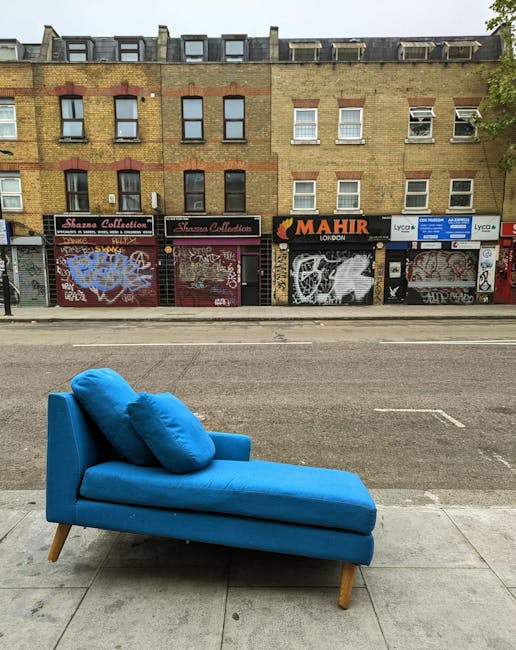
Where to store furniture short-term in Haggerston: the practical local guide
If you need to move out for a week, bridge a gap between tenancies, or simply get bulky items out of the way during a renovation, figuring out where to store furniture short-term in Haggerston can save a lot of stress. It sounds simple enough, but the wrong choice can leave your sofa damp, your bed frame scratched, or your hallway completely blocked with boxes you meant to deal with "tomorrow".
This guide walks through the real options, the trade-offs, and the small details that matter most in a local area like Haggerston. You will find practical advice on choosing storage, packing furniture properly, moving it safely, and avoiding the kind of mistakes that turn a short hold into an expensive headache. Truth be told, short-term storage works best when you plan it a little more carefully than people expect.
Why Where to store furniture short-term in Haggerston Matters
Short-term storage is not just about making space. In Haggerston, where flats can be compact and access can be a bit awkward at the best of times, furniture often needs to be moved out temporarily for practical reasons rather than because you are decluttering. A sofa may need to come out before decorating starts. A dining table may need to sit somewhere safe while a tenancy changes over. A wardrobe may need to be parked elsewhere while you wait for keys, builders, or a delivery slot.
That gap matters because furniture is vulnerable when it is left in the wrong place. A corridor is not storage. A friend's garage may seem handy until temperature swings, pests, or moisture get involved. Even a spare room can become a problem if items are stacked badly and the pressure damages feet, frames, or upholstery. If you have already been reading about packing for a hassle-free house move, you will know that protecting items properly before they go into storage is half the battle.
In practical terms, the best short-term storage choice balances four things: security, access, climate conditions, and transport. You want somewhere easy enough to reach, but not so improvised that the furniture ends up worse than when it left your flat. That is the bit people underestimate.
How Where to store furniture short-term in Haggerston Works
Short-term furniture storage usually follows a simple sequence. First, the items are assessed and prepared. Then they are wrapped, labelled, and moved into a suitable storage space. After that, they stay there for a defined period, often anything from a few days to a few months, until you are ready to get them back.
The process sounds basic, but the details matter. For example, a wooden table should not be shoved into storage with loose legs and no protection. A mattress should not go in uncovered. A sofa should be cleaned and wrapped with breathable protection rather than sealed in something that traps moisture. If you are storing a bulky suite, the advice in this sofa storage maintenance guide is worth a look because upholstery needs a bit more care than people think.
In a local move, storage can be arranged in several ways:
- Self-storage units for flexible access and hands-on control.
- Removal-company storage if you want collection, storage, and redelivery handled together.
- Temporary indoor space at home or at a trusted contact's property, which is only really suitable for very short gaps and smaller items.
- Mixed solutions where some items stay with you and larger furniture is stored off-site.
For many people, the real decision is not "storage or no storage?" It is "which option will keep my furniture safe without making the move more chaotic than it already is?"
Key Benefits and Practical Advantages
The obvious benefit is space. Short-term storage clears room when you need to stage a flat, redecorate, or move in phases. But there is more to it than that.
1. It protects your furniture during transition periods. Rather than leaving items exposed in a damp hallway or crowded room, you can store them in a controlled place for the short gap.
2. It reduces moving-day pressure. If you are handling a handover, builders, or last-minute timing issues, storage gives you breathing room. That breathing room is often the difference between a tidy move and one that goes sideways by 4 p.m.
3. It helps with smaller homes. Many Haggerston properties simply do not have the floor space to absorb all your furniture while life is in motion. Storage helps you work with the space you actually have, not the space you wish you had.
4. It can make staging and cleaning easier. If you are moving out, removing large furniture makes deep cleaning much simpler. If you are curious about this side of the process, these spotless moving-out tips cover the kind of prep that helps with both storage and final handover.
5. It keeps special items safer. Some pieces need more than a corner of a room. Pianos, oversized mirrors, and delicate finishes are much better off in a proper storage environment with experienced handling. There is a reason skilled movers matter when a piece is awkward, heavy, or frankly precious.
Expert summary: The best short-term storage option is not always the cheapest or the closest. It is the one that protects condition, keeps access manageable, and fits your timeline without creating another problem to solve later.
Who This Is For and When It Makes Sense
Short-term furniture storage in Haggerston makes sense for quite a few everyday situations. You may need it if you are between tenancies, waiting for a completion date, or having a flat repainted and want everything out of the way. It also makes sense if you are in student accommodation and moving between term dates, because timing gaps are common and furniture never seems to arrive or leave exactly when you want it to.
It is also useful for:
- Flat moves where space is tight and access needs to be phased.
- House moves with a delay between leaving one property and entering another.
- Office moves where desks, chairs, or archive furniture need a short holding period.
- Renovations when tradespeople need clear space to work safely.
- Students and sharers who only need storage temporarily and do not want a long contract.
If your move involves awkward access or narrow roads, it may help to think beyond storage alone. A local move along Kingsland Road or around the station area can be slower than expected, so it is worth planning the transport side too. The route notes in these congestion tips for Kingsland Road to Haggerston Station are a good reminder that the journey is part of the storage decision.
One thing we see often: people only realise they need storage once the keys are delayed. That is normal. The smart move is to decide quickly, then keep the process simple.
Step-by-Step Guidance
If you are trying to work out the best way forward, use this step-by-step approach. It keeps the whole thing from becoming a scramble.
- List everything that needs storing. Measure large pieces and note anything fragile, valuable, or awkward. A sofa is not just a sofa if the legs detach and the fabric marks easily.
- Decide how long "short-term" really is. A few days, a fortnight, or six weeks? This affects whether self-storage, removal-company storage, or a temporary in-home solution makes sense.
- Choose the right storage environment. For furniture, dry and secure is the starting point. Climate stability matters too, especially for wood, upholstery, leather, and mattresses.
- Prepare the furniture properly. Clean surfaces, remove loose parts, and wrap items so they are protected but not smothered.
- Label everything clearly. This saves time when items come back out. You do not want to open six wrappers just to find the right coffee table leg.
- Move items safely. Use proper lifting technique, enough people, and the right equipment. If something is too heavy or bulky, get help rather than trying to be heroic for no reason. We have all seen where that ends.
- Check access and return timing. Make sure you know when you can collect items again and whether the storage provider has any access restrictions.
- Inspect items on return. Unwrap carefully and check for moisture, damage, or missing parts before placing furniture back in your home.
If you are still in the planning stage, a guide such as these stress-free moving tips can help you keep the wider move organised while you sort the storage piece.
Expert Tips for Better Results
A good storage experience usually comes down to a few unglamorous habits. Nothing fancy. Just sensible, careful work.
Use breathable covers where possible. Plastic may look convenient, but for upholstered furniture it can trap condensation if conditions change. Breathable wrapping is often safer for medium-term storage.
Disassemble what you can. Table legs, bed frames, shelving, and detachable cushions should usually come off and be bagged together. Keep fixings in a labelled envelope taped to the matching item. Small thing, big payoff.
Keep furniture off the floor if the storage space allows it. Even a simple pallet or raised base can reduce risk from accidental damp. In a typical London storage environment, that bit of separation is useful.
Do not overpack the unit. People tend to wedge things in tightly because it feels efficient. Usually it just creates pressure damage and makes access awkward. A little breathing space goes a long way.
Place often-needed items near the front. If you know you will want the bed frame back before the wardrobe, do not bury the bed frame at the rear under three lamps and a side table. Obvious, but somehow easy to get wrong.
Check insurance and handover terms. If a provider offers storage as part of removals, ask what is covered and what is not. For many readers, this insurance and safety information is a sensible place to understand how protection is handled in a move-and-store setup.
Take photos before storage. A quick phone photo set helps you remember item condition and packing order. Handy, and a bit reassuring when items come back out.
Common Mistakes to Avoid
Most storage problems are preventable. The tricky part is that the mistakes feel harmless at the time.
Leaving furniture uncleaned. Dust, crumbs, and moisture can all become issues over time. A clean sofa is far less likely to develop smells or marks in storage.
Wrapping damp items too early. If furniture has been in a rainy move or has picked up moisture, let it dry properly first. Sealing it too soon can cause mould or musty smells. That one catches people out all the time.
Using the wrong vehicle or lifting method. A badly handled move can damage corners, frames, or upholstery before storage even begins. If the item is large or awkward, it is better to use experienced help than to improvise. The advice in this bulky item removals guide is useful if you are dealing with sofas, wardrobes, or similar pieces.
Forgetting about access routes. In Haggerston, narrow streets, loading restrictions, and peak-time traffic can add friction. If you are moving items from a flat or upper floor, the route matters as much as the storage unit.
Choosing the cheapest option without checking conditions. Price matters, of course. But if the space is damp, insecure, or poorly managed, that bargain can become expensive later.
Not planning the return move. People focus on getting items into storage and then forget the end of the process. Always know how and when furniture is coming back out.
Tools, Resources and Recommendations
You do not need specialist equipment for every move, but a few basic tools make short-term storage much easier.
- Furniture blankets for cushioning against knocks and rub marks.
- Stretch wrap for holding blankets in place on hard surfaces.
- Mattress covers to keep beds clean and dry.
- Label tags and marker pens for quick identification.
- Ratchet straps or tie-downs for securing items in transit.
- Tape, bags, and small parts pouches for fixings and connectors.
- Gloves and lifting aids for safer handling.
For people who prefer an all-in-one approach, using a local removal and storage service can reduce the number of moving parts. That is especially helpful if you are trying to manage a flat move, a student move, or same-day logistics in one go. If speed is part of the equation, same-day removals in Haggerston can be a practical companion service when timing is tight.
It can also help to think about what you are not storing. Decluttering before storage often cuts costs and avoids paying to move items you no longer want. The article on decluttering before a move is genuinely useful here because less stuff usually means less hassle, and that is no bad thing.
Law, Compliance, Standards, or Best Practice
For short-term furniture storage, there is no single universal rulebook that fits every situation, but there are sensible UK best practices worth following. If you are using a commercial storage provider or a removals company, you should expect clear terms on access, liability, and handling. Read the service conditions carefully, even if it feels boring. Especially then, maybe.
Fire safety, safe lifting, and secure transport are all relevant. If you are moving items yourself, you still have a duty to act safely and avoid preventable damage or injury. That means not overloading lifts, not blocking communal walkways, and not dragging furniture down stairs when a proper carry would be safer.
For upholstered or electrical items, basic care matters too. Furniture should be cleaned, dried, and stored in a way that does not invite mould, pests, or accidental breakage. If you are storing specialist items such as a piano, it is sensible to use people who understand the weight, balance, and fragility involved. The local page on piano removals in Haggerston reflects that kind of specialist handling.
There is also a practical legal point around tenancy handovers and building access. In shared blocks or managed developments, avoid leaving items in communal areas longer than necessary. It is a nuisance to neighbours and can become a safety issue very quickly. Simple common sense, really.
Options, Methods, or Comparison Table
Here is a straightforward comparison of the most common short-term furniture storage methods. The right answer depends on your timeline, budget, and how much access you need.
| Option | Best for | Advantages | Drawbacks |
|---|---|---|---|
| Self-storage | People who want direct access | Flexible, easy to visit, good for phased moves | You handle packing, transport, and returns yourself |
| Removal-company storage | Moves with tight timelines | Collection and redelivery are coordinated, less lifting on your side | May feel less hands-on if you like to manage everything yourself |
| In-home temporary storage | Very short gaps | Convenient, no extra transport for smaller items | Limited space, harder to protect against damage |
| Trusted private space | Occasional emergency use | Can be quick and low cost | Often less secure or climate-controlled, and not ideal for valuable items |
If you want a more joined-up local move, browsing the wider storage in Haggerston page can help you understand how storage fits into the rest of the moving process, especially if you are pairing it with transport or packing support.
Case Study or Real-World Example
Here is a simple, realistic example. A couple in a Haggerston flat were moving out on a Friday, but their new place would not be ready until the following Wednesday. They had a sofa, two bed frames, a dining table, and several boxes of books. Leaving everything in the old flat was not possible, and the new place was not ready for delivery.
They split the job into two parts. First, they sorted the furniture into "essential" and "can wait". The bed frames and sofa were wrapped carefully, the table legs were removed, and the fixings were bagged and labelled. The books and smaller household bits were boxed separately. Second, the furniture went into short-term storage for less than a week. That gave them room to finish cleaning, hand back the keys, and avoid paying for an extra night of overlapping accommodation.
What made it work was not luck. It was the planning. They had measured the items, checked access from the flat, and arranged a redelivery slot before they moved the furniture in. Nothing flashy. Just sensible preparation, and a bit of patience.
If your own move looks similar, the broader advice in what to expect from urgent same-day moves in Haggerston can help you think through timing and logistics when the clock is against you.
Practical Checklist
Before you put furniture into short-term storage, run through this checklist. It saves a lot of annoying little problems later.
- Have I measured the larger pieces?
- Have I chosen a storage option that fits the actual timescale?
- Are all items clean and dry?
- Have I removed loose parts, cushions, or fixings where needed?
- Is each item wrapped or covered appropriately?
- Are fragile points and corners protected?
- Have I labelled items clearly for return?
- Do I know how the items will be collected and brought back?
- Have I checked access, timing, and any building restrictions?
- Do I know what insurance or liability terms apply?
- Have I kept the most-needed items easy to reach?
- Have I taken photos for reference?
If you are still gathering boxes or wrapping materials, the local packing and boxes in Haggerston page is a useful next stop. And if the furniture is part of a bigger move, the local removals in Haggerston service overview can help you connect the dots between packing, transport, and storage.
Conclusion
Short-term furniture storage in Haggerston is mostly about making sensible choices under time pressure. The right setup keeps your items safe, reduces stress, and gives you room to deal with the messy middle of a move, renovation, or tenancy change. The wrong setup, by contrast, can quietly damage furniture before you even get it back.
So, if you are trying to decide where to store furniture short-term in Haggerston, start with condition, access, and timing. Then think about handling. Then think about the return journey. That order matters more than people realise.
Get a free quote today and see how much you can save.
And if your move feels a bit like a juggling act right now, that is normal. Take it one practical step at a time, and it becomes far more manageable than it first looks.
Frequently Asked Questions
What is the best short-term furniture storage option in Haggerston?
The best option depends on how long you need storage and how often you need access. For most people, a secure storage unit or a removal-company storage service is more reliable than trying to keep furniture in an improvised space at home.
Can I store furniture for just a few days?
Yes, short-term storage can be as brief as a few days. That is common during key handovers, decorating jobs, or gaps between moving dates. The main thing is to keep the furniture clean, dry, and properly protected.
Is it safe to store a sofa for a short period?
Yes, provided it is cleaned first and wrapped in a way that allows it to breathe. Avoid trapping moisture, and make sure the sofa is not crushed under heavy items. Sofas are bulkier than they look, and they can mark easily.
Should I dismantle furniture before storing it?
Where possible, yes. Taking apart bed frames, table legs, and shelving usually makes storage safer and more space-efficient. Just keep all screws and fittings in labelled bags so reassembly is not a headache later.
What furniture items need extra care in storage?
Upholstered furniture, mattresses, wooden furniture, mirrors, and specialist items such as pianos need extra attention. They are more sensitive to moisture, pressure, or poor handling than simple flat-pack pieces.
Is self-storage cheaper than removal-company storage?
Not always. Self-storage can look cheaper at first, but you may still need to pay for transport, packing, and your own time. Removal-company storage may cost more on paper but reduce the overall effort and risk.
How do I protect furniture from moisture in storage?
Make sure everything is completely dry before wrapping, use appropriate covers, and choose a dry storage environment. For upholstered items, breathable protection is usually better than sealed plastic if conditions may change.
Can I keep furniture in my flat temporarily instead of using storage?
You can, but only if there is enough space and the items will not block access or create damage. In smaller Haggerston flats, that solution often becomes messy very quickly, especially if builders or cleaners need room to work.
What should I check before choosing a storage provider?
Check security, access arrangements, condition of the premises, insurance terms, and whether collection and redelivery are included. It is also worth checking how they handle fragile or bulky items.
Do I need insurance for short-term furniture storage?
It is wise to understand what cover is already included and whether you need extra protection. Policies and liability terms vary, so ask before you store anything valuable. Better to ask once than regret it later.
How far in advance should I arrange storage?
As soon as you know there may be a gap between moving out and moving in. Same-day or next-day arrangements are sometimes possible, but planning early usually gives you better choice and less panic.
What is the most common mistake people make with furniture storage?
The biggest mistake is putting items away dirty or damp. The second is assuming any spare space will do. Furniture needs the right conditions, not just somewhere out of sight.