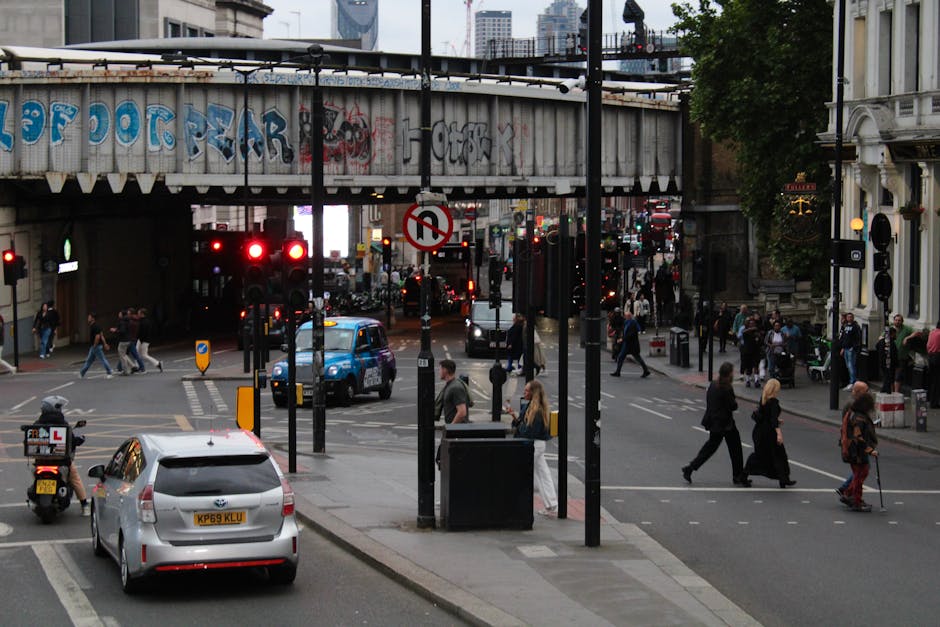
Kingsland Road to Haggerston Station: congestion tips for smoother local journeys
If you travel, move house, or schedule a van route around east London, Kingsland Road to Haggerston Station can be one of those short trips that somehow feels longer than it should. A couple of buses, a delivery van double-parked, someone cycling past the wrong way, and suddenly five minutes becomes fifteen. That is exactly why Kingsland Road to Haggerston Station: congestion tips matter. Not because the journey is impossible, but because a few small decisions can save time, reduce stress, and make the whole thing feel much more manageable.
In this guide, we'll look at what congestion usually looks like on this corridor, why it matters for residents and movers, and the practical steps that help you avoid the worst bottlenecks. We'll also cover timing, loading strategy, compliance basics, and a few realistic local insights that tend to get missed in generic travel advice. Truth be told, local congestion is often less about "traffic" in the abstract and more about timing, kerbside access, and how well prepared you are before the vehicle even starts rolling.
For readers planning a move, it can also help to read our broader guides on stress-free moving tips, packing for a hassle-free house move, and decluttering before a smooth moving journey. They fit neatly with the congestion advice here, because a faster route is only half the battle.
Why Kingsland Road to Haggerston Station congestion tips Matters
The stretch from Kingsland Road to Haggerston Station sits in a part of London where demand never really takes a day off. There are commuters, local deliveries, school runs, bus movements, cyclists, and people loading or unloading in front of flats and shops. Add narrow roads, signal changes, and occasional roadworks, and congestion can build quickly.
For everyday travellers, that usually means arriving late, missing a connection, or ending up frustrated before the day has properly started. For people moving home or delivering furniture, the stakes are higher. A blocked bay or a slow approach can affect access windows, parking permissions, labour time, and even the condition of bulky items if they are left waiting too long outside.
It also matters because congestion tends to cascade. One vehicle stopping in a less-than-ideal spot can slow several others, and that ripple effect is exactly what makes short urban journeys feel unpredictable. If you've ever sat there watching brake lights glow under grey morning light, you'll know the feeling. A bit annoying. Sometimes a lot annoying.
That's why the best approach is not simply "leave earlier." Useful congestion planning is a mix of timing, route awareness, loading discipline, and choosing the right service for the job. If you're arranging a move in the area, our pages on man and van Haggerston, removal van options in Haggerston, and removals in Haggerston can help you match the vehicle and service to the route conditions.
How Kingsland Road to Haggerston Station congestion tips Works
At a practical level, congestion management on this route is about controlling the variables you can influence. The road itself may be busy, but your experience of it depends on when you travel, how long you stop, whether your goods are ready, and whether you have a safe place to set down or collect items.
Think of it in three layers:
- Traffic flow: the volume of cars, buses, cyclists, and delivery vehicles using Kingsland Road and the approaches to Haggerston Station.
- Kerbside behaviour: double parking, quick drop-offs, loading bays, and short stops that can either help or hinder movement.
- Trip readiness: whether you are fully packed, have clear access, and can load quickly once you arrive.
In moving situations, these layers matter even more. A van waiting while boxes are still being wrapped is not just inconvenient; it can push the whole schedule back into heavier traffic, which creates a bad little loop. If you've got furniture to move, a service like furniture removals in Haggerston is useful because it is built around handling bulky items more efficiently than a standard car-based journey.
Another useful point: local congestion is often time-sensitive. A route that feels straightforward at 10:30 a.m. can feel very different at school-run time, around commuter peaks, or when a nearby street is temporarily busier than normal. So, the method is not to memorize one "perfect" time. It's to plan with a buffer, monitor the day, and keep your loading process tight.
If you are dealing with a same-day move or a last-minute booking, the route plan should be even sharper. Our same-day removals Haggerston service page is a good reference point for understanding how fast-response work needs careful timing, especially in busy urban areas.
Key Benefits and Practical Advantages
Good congestion planning does more than shave off a few minutes. In a dense neighbourhood, it can change the whole moving experience.
- Less waiting: fewer idle minutes at kerbside, which helps keep the job on schedule.
- Lower stress: when you know the route and the loading sequence, the day feels calmer.
- Better safety: rushed lifting and awkward roadside handling become less likely.
- Reduced disruption: neighbours, pedestrians, cyclists, and drivers are less affected when loading is efficient.
- More predictable costs: for service-based moves, less delay can mean fewer knock-on charges and less wasted labour time.
There's also a softer benefit that people often ignore: confidence. If you know you've handled the route properly, you're less likely to make panicked choices, like stopping in a risky spot or trying to "just do one more trip" through peak traffic. And let's face it, panic rarely improves parking.
For heavier or awkward items, efficient route planning works best alongside safe handling. That is where our guide to lifting heavy items without help and the related article on kinetic lifting are genuinely relevant. Congestion and lifting safety are more connected than people think. If you are tired before the van even arrives, everything becomes riskier.
Who This Is For and When It Makes Sense
This advice is useful for more people than you might expect. It is not only for removals companies or professional drivers.
- Home movers: especially if you're shifting from a flat, maisonette, or narrow residential street near Haggerston.
- Students: when moving with limited time, smaller budgets, and a lot of belongings packed into not much space.
- Office teams: for equipment or archive moves that need tidy scheduling and minimal interruption.
- Local residents: anyone making repeated trips with shopping, furniture, or storage items.
- Trade and delivery drivers: people who depend on predictable access and quick turnover.
It makes sense whenever the road conditions could affect your timing or where you stop. That includes peak hours, wet weather, term-time traffic, and days when the area feels unusually active. You do not need a major move for congestion to be an issue. Sometimes a single awkward sofa delivery is enough to remind you how tight London streets can be.
If you're a student planning a small but urgent move, our student removals Haggerston page may be a better fit than a broader service. Likewise, if you're handling a flat move with stairs, limited access, or awkward parking, see flat removals in Haggerston for more context.
Step-by-Step Guidance
Here is a practical way to reduce congestion-related hassle on the Kingsland Road to Haggerston Station route. Nothing fancy. Just the kind of process that actually works in real life.
- Check the time of day first. Before you do anything else, decide whether you really need to travel during busy periods. If your schedule is flexible, avoid the obvious peaks.
- Confirm the loading point. Know exactly where the van, car, or delivery vehicle can stop. If possible, scout it beforehand.
- Prepare items before the vehicle arrives. Boxes should be sealed, furniture disassembled where sensible, and fragile items protected. Our bed and mattress moving guide is helpful if you are handling bedroom furniture.
- Minimise roadside time. The less time spent figuring things out at the kerb, the less likely you are to get caught in a difficult flow of traffic.
- Use the right size vehicle. Too small and you'll do multiple trips. Too large and you may struggle with access. The right fit is usually the calmest option.
- Build in a buffer. Urban traffic is rarely perfectly predictable. Give yourself breathing room, even if it feels a bit overly cautious.
- Keep a backup route in mind. Not a full maze of alternatives, just one sensible fallback if the main approach looks blocked or slow.
For home moves, it also helps to tidy and classify items before the moving day begins. That may sound obvious, but it is amazing how often people are still wrapping cables or searching for a charger while the driver is already waiting. If you want a more structured approach, read our spotless moving-out guide and packing perfection tips.
One more small thing. Keep entrances clear. A blocked hallway or a cluttered front step can create tiny delays that snowball into larger ones. It's a quiet killer of good timing.
Expert Tips for Better Results
The best congestion tips are rarely dramatic. They're small habits repeated properly. That said, a few details can make a big difference.
1. Move earlier than you think you need to
Earlier starts often mean smoother kerb access, fewer buses bunching behind you, and a more relaxed load-in. It also gives you space to deal with the unexpected. A late start in east London can feel like arriving to a party that is already over.
2. Pack for speed, not just protection
Protection matters, of course, but if every box is awkwardly shaped, unlabeled, or overfilled, unloading takes longer. Label by room, keep essentials separate, and avoid last-minute repacking on the pavement. Our decluttering guide is a good companion piece here.
3. Choose a service that matches the job
A small self-managed trip may work for a few bags. A full flat move with a fridge, a sofa, and a bed frame is a different story. For bigger jobs, it is worth looking at house removals in Haggerston or office removals depending on the load type. The right service saves time before congestion even becomes a problem.
4. Protect awkward or high-value items properly
Pianos, sofas, and appliances need more planning than regular boxes. If you are moving something delicate, take the specialist route rather than improvising. Our pages on piano removals and sofa storage and maintenance offer useful context for longer-term care and movement.
5. Keep the handover simple
If another person is meeting the vehicle, make sure they know the exact time, the exact location, and the exact item order. Sounds basic, yes. But poor handover planning is one of the biggest reasons urban moves drift into congestion problems.
And if you're wondering whether all this sounds a bit too organised for a normal London day, well, a little. But that's the point. Urban logistics reward the prepared.
Common Mistakes to Avoid
Most congestion-related mistakes are not huge errors. They're the small, ordinary ones that pile up.
- Assuming the route will be fine because it was fine last week. Conditions change quickly in busy neighbourhoods.
- Underestimating loading time. A "quick job" turns slow when boxes are not ready or furniture needs dismantling.
- Stopping without a proper plan. A vague idea of where to park is often not enough.
- Traveling during predictable peaks. If you can avoid them, do.
- Ignoring weather. Rain can slow loading, reduce visibility, and make already busy roads feel tighter.
- Using the wrong size vehicle. Multiple trips often create more congestion exposure than a slightly larger, well-managed van would.
- Forgetting safety gear. Gloves, straps, blankets, and trolleys are not optional extras for many moves.
One overlooked mistake is treating congestion as only a road issue. In practice, the delay often starts indoors. If the furniture isn't wrapped, the boxes aren't closed, and the lift booking isn't confirmed, the road gets blamed for problems that began hours earlier. A bit unfair to the road, really.
If safety is a concern, especially for awkward lifting or multiple items, review our insurance and safety page as well as the health and safety policy. They're useful reference points for sensible moving standards.
Tools, Resources and Recommendations
You do not need a complicated toolkit, but a few practical resources make congestion management much easier.
| Tool or resource | Why it helps | Best use case |
|---|---|---|
| Route planning app | Shows live delays, closures, and alternatives | Any trip where timing matters |
| Inventory list | Speeds up loading and unloading | Home moves, storage transfers, office relocations |
| Furniture blankets and straps | Reduces damage and makes handling more efficient | Sofas, wardrobes, fragile items |
| Sturdy boxes and labels | Makes moving and sorting far quicker | All packing-heavy moves |
| Trolley or sack truck | Lowers physical strain and speeds transfers | Bulky or heavy items, stairs, longer walks |
For packing materials, see packing and boxes in Haggerston. For temporary overflow, furniture waiting periods, or a staggered move, storage in Haggerston may be a smart option. That is especially useful if congestion means you cannot complete everything in one clean run.
If you are comparing providers, the service overview at our services overview is a sensible place to start, and the pricing and quotes page can help you understand what to expect before you book.
Law, Compliance, Standards, or Best Practice
For a local moving route like this, the main thing is to stay within normal road rules, local parking requirements, and common-sense safety expectations. That sounds obvious, but in busy London areas the details really matter.
Good practice usually includes:
- parking only where it is lawful and safe to do so;
- not blocking pavements, crossings, or junction visibility;
- respecting loading restrictions and time-limited access rules;
- keeping the vehicle and surrounding area as safe as possible for pedestrians and cyclists;
- checking any site-specific building rules if you are moving into or out of managed premises.
If you are hiring a mover, you should also expect clear terms, transparent payment handling, and sensible insurance arrangements. Those are not luxuries. They are baseline professionalism. Our pages on payment and security, terms and conditions, and accessibility statement explain the kind of standards a trustworthy service should make easy to understand.
If you have a specific concern or a service issue, it is worth checking the complaints procedure as well. Not because you expect trouble, but because good providers are usually clear about how they handle it if something goes off-plan.
Options, Methods, or Comparison Table
There are a few different ways to handle congestion on this route. The right one depends on your load, your timing, and how much flexibility you have.
| Method | Best for | Pros | Trade-offs |
|---|---|---|---|
| Travel at off-peak times | Flexible jobs and planned moves | Usually smoother, less waiting, calmer loading | May not suit work schedules or building access windows |
| Use a dedicated removal service | Large furniture, full-house moves, office relocations | Faster loading, better handling, lower physical strain | Higher upfront cost than self-moving |
| Split the move into stages | When parking or access is limited | More flexible, less pressure on one trip | Can create extra handling and storage needs |
| Use storage between phases | Complex moves or delayed completion dates | Reduces time pressure on moving day | Requires planning and extra coordination |
For many people, a dedicated service is the cleanest answer. It keeps the route plan, vehicle selection, and lifting strategy in one place. That can be a real relief when the street is already busy and you do not want to juggle ten little problems at once.
Case Study or Real-World Example
Imagine a small flat move from near Kingsland Road to a property closer to Haggerston Station. The items are not huge, but there's a sofa, a bed, a couple of shelves, and several boxes of kitchenware. The first instinct is often to aim for the middle of the day because it feels "more relaxed." In practice, that can be a mixed bag: more deliveries on the road, more people stopping, and more chance of a short parking delay turning into a long one.
Now compare that with a slightly earlier start. The boxes are already labelled. The sofa has been wrapped. The bed has been dismantled. The route has been checked. The driver knows where the handover point is. The whole process is tidier, and once the van arrives, loading happens quickly. There may still be traffic, of course. This is London, not a private test track. But the move stays under control.
What usually changes the outcome is not luck. It is readiness. A well-organised load, a realistic timing window, and a clear stop point usually do more to reduce stress than obsessing over the route itself. That is the honest version. Not glamorous, but effective.
If the move involves larger items or specialist handling, a proper service can make a visible difference. Our removal services in Haggerston and removal companies in Haggerston pages are useful next steps if you are deciding what kind of help you actually need.
Practical Checklist
Use this checklist before you travel the Kingsland Road to Haggerston Station corridor with a load, a booking, or a move.
- Confirm your exact start time and arrival window.
- Check live traffic or route conditions before leaving.
- Make sure the vehicle size matches the job.
- Pack and label boxes before the vehicle arrives.
- Wrap delicate and awkward items properly.
- Keep a clear access path from the property to the vehicle.
- Know where you can stop legally and safely.
- Assign one person to coordinate the handover if needed.
- Carry straps, blankets, gloves, and a trolley if the job needs them.
- Build in a little buffer for delays, because there are always a few.
Expert summary: the best congestion strategy is simple but disciplined. Travel at the right time, prepare the load properly, minimise roadside delays, and choose the service level that matches the reality of the move. That combination does most of the heavy lifting.
Conclusion
Kingsland Road to Haggerston Station can be a straightforward journey, but congestion has a habit of turning short routes into frustrating ones. The real fix is not one magic shortcut. It is a bundle of small decisions: better timing, smarter packing, safer handling, and a more realistic approach to local access.
If you remember only one thing, make it this: the less work you leave for the kerbside, the smoother the trip will be. Whether you are making a quick local move, carrying furniture, or coordinating a van booking, a little preparation goes a long way.
For a wider local planning context, you may also find our moving to Haggerston and Haggerston Park street guide useful. It adds a broader feel for the area and helps set expectations before moving day arrives.
Get a free quote today and see how much you can save.
Sometimes the calmest move is simply the one where everything is ready before the traffic even has a chance to be a nuisance.
Frequently Asked Questions
What is the best time to travel from Kingsland Road to Haggerston Station if I want to avoid congestion?
Usually, the smoother windows are outside the obvious commuter peaks, but there is no single perfect time every day. Off-peak travel often helps, especially if you can avoid school-run and delivery-heavy periods. Always check live conditions before you set off.
Is this route a problem for removals vans?
It can be, mainly because urban access is often the bigger challenge than the road distance itself. Parking, loading, and timing matter a lot. A well-prepared van move is usually fine; a poorly planned one can get messy quickly.
How do I reduce loading delays on a busy street?
Have everything ready before the vehicle arrives, keep the access path clear, and label boxes properly. If furniture needs dismantling or wrapping, do that in advance. The goal is to keep roadside time short.
Do I need a full removal service, or is a man and van enough?
That depends on the size and complexity of your move. For a few items, a smaller service may be ideal. For a flat move, bulky furniture, or a tight access situation, a fuller removal service is usually more efficient. Our man with a van Haggerston page is a useful starting point.
What should I do if there is nowhere safe to stop?
Do not force a risky stop. Check for lawful loading areas, consider shifting your timing, or speak to the mover about a different approach. Safety and legality come first. A slightly longer walk is better than a bad parking decision.
Can congestion affect the cost of a move?
Yes, indirectly. Delays can extend labour time or create extra inconvenience if a job runs over. That is one reason punctuality and preparation matter. A tidy, ready-to-go load usually keeps costs more predictable.
What items need special care on a congested route?
Large or fragile items need the most attention, especially sofas, pianos, beds, and appliances. They are harder to handle quickly and safely if the vehicle is delayed or access is tight. Specialist pages like piano removals Haggerston and why skilled movers matter for pianos are worth reading if you have something delicate.
Is storage useful if congestion makes moving day too rushed?
Yes, very much so. Storage can turn a stressful one-day scramble into a calmer staged move. It is especially useful when keys, access times, or parking windows don't line up neatly. See storage in Haggerston for more context.
Are there any safety issues I should think about on this route?
Yes. Pedestrians, cyclists, narrow pavements, and loading around moving traffic all deserve care. Use proper lifting techniques, keep pathways clear, and avoid rushing. If you need more guidance, our insurance and safety page is a good reference.
What if I only have one heavy item to move?
Even one heavy item can be awkward in a congested area. A sofa, mattress, or appliance can still need planning, the right vehicle, and safe lifting. For practical guidance, read the relevant moving tips before trying to do it all in one go.
How can I make the whole process less stressful?
Start earlier, reduce clutter, label everything, and choose help that fits the job. A little preparation goes a long way. If you want a broader planning guide, our stress-free move tips are a helpful companion to this article.
Where can I find more trustworthy information about the service itself?
It's worth checking the company's service pages, pricing information, terms, and safety policies. Those pages should tell you how the service works, what is included, and what standards to expect. A good provider makes this information easy to find, not hidden away in the small print.