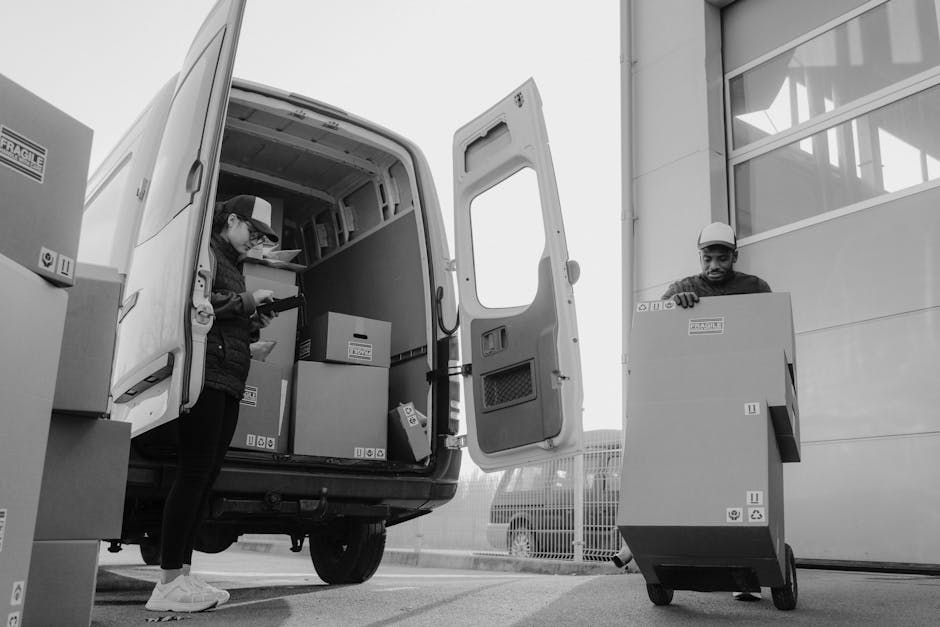
Which van size to book for a Haggerston move?
If you are trying to work out which van size to book for a Haggerston move, you are probably juggling a few things at once: a narrow staircase, a London parking headache, a sofa that looked smaller in the flat, and a calendar that is suddenly very unforgiving. Fair enough. Haggerston moves often look simple on paper, then become a little more awkward in real life.
The good news is that you do not need to guess wildly. The right van size usually comes down to what you are moving, how much space the building gives you, and whether you want to do it in one trip or two. In this guide, we will break down the common van sizes, show you how to judge your load properly, and explain the small details that make a big difference on moving day. If you want a broader look at man and van removals or a fuller home move service, those options can also help frame the decision.
Expert summary: For many Haggerston flat moves, a small or medium van is enough if the property is compact and access is tight. A larger Luton-style van is usually safer for bigger loads, bulky furniture, or anything that would be painful to split into multiple runs.
Table of Contents
- Why van size matters for a Haggerston move
- How van sizing works in practice
- Key benefits and practical advantages
- Who this is for and when it makes sense
- Step-by-step guidance
- Expert tips for better results
- Common mistakes to avoid
- Tools, resources and recommendations
- Law, compliance, standards, or best practice
- Options, methods, or comparison table
- Case study or real-world example
- Practical checklist
- Conclusion
- Frequently asked questions
Why Which van size to book for a Haggerston move? Matters
Van size affects almost every part of the move. Too small, and you end up doing extra trips, which means more time on the road, more loading, and more stress on a day that already has enough going on. Too large, and you may pay for space you do not actually need, while also making access trickier on Haggerston streets where kerb space can be tight and double parking is, let's face it, not something anyone enjoys.
Haggerston has a mix of compact flats, maisonettes, converted warehouse spaces, and homes with awkward staircases or shared entrances. That local layout matters. A van that is perfect for a suburban house move might be overkill in a dense east London street, especially if you are moving from a top-floor flat with one narrow hallway and a lift that is, to be fair, not always your best friend.
Choosing correctly also helps protect your items. A van packed badly because it is the wrong size can lead to shifting boxes, crushed soft furnishings, and awkward loading angles for beds, wardrobes, and white goods. Getting the size right tends to make the whole thing calmer. Not glamorous, but calm.
How Which van size to book for a Haggerston move? Works
The decision is basically a balance between volume, item shape, access, and distance. In simple terms, you are matching your belongings to the usable loading space in the vehicle. It sounds obvious, but the detail is where people get caught out.
Most move planning starts with a rough inventory. Not a perfect spreadsheet unless you really want one. Just list the big pieces first: bed, mattress, sofa, dining table, chairs, wardrobes, chest of drawers, fridge, washing machine, and any awkward items like bicycles, mirrors, or plants. Then estimate the number of boxes. If you can stack them neatly, great. If not, allow more room. People always underestimate boxes. Always.
The next step is access. A van size that works perfectly on a driveway may not be the best choice in Haggerston if the road is narrow or parking is limited. A slightly smaller van can sometimes be the smarter choice because it is easier to position close to the property. That reduces carrying distance, which is often the part that tires you out first.
In practice, most people choose between four common types:
- Small van: good for studio flats, a few boxes, and light furniture.
- Medium van: suits one-bedroom flats, partial moves, or mixed boxed loads.
- Luton van: ideal for larger flats and more substantial furniture.
- Large removal van: useful for bigger house moves or full loads with bulky items.
If you are unsure, the safest route is to speak with a provider that offers removal van options and explain your actual items rather than just saying "a flat's worth of stuff". That phrase can mean almost anything.
Key Benefits and Practical Advantages
Booking the right van size is not just about fitting everything in. It brings a few very practical benefits that show up immediately on moving day.
- Fewer trips: the right-sized van can save hours, especially if you are moving between two busy London postcodes.
- Less handling: each extra trip means more lifting, more stairs, and more chance of damage.
- Better route planning: one proper load is easier to organise than several half-packed ones.
- Lower stress: there is a real psychological difference between "everything fits" and "we might need to come back".
- Cleaner cost control: paying for the right size is usually more efficient than overbooking or underbooking.
There is also a small but important benefit people forget about: timing. Haggerston traffic, loading restrictions, and shared parking spaces can all eat into the day. A correctly sized van shortens the loading process and gives you more breathing room. On a wet Tuesday morning, that matters. A lot.
For larger domestic jobs, it can be worth looking at house removals or house movers if your move has more furniture than you first thought. People often start with "just a few things" and then realise they have enough to fill half a warehouse. Happens all the time.
Who This Is For and When It Makes Sense
This question matters most if you are moving from or to a typical Haggerston property: a studio, one-bedroom flat, shared house, or a small family home with awkward access. It also matters if you are combining furniture pick-up, online purchases, or storage items into one move.
You probably need a careful van-size decision if you are:
- moving from a flat with stairs only
- moving a sofa, bed, and several appliances
- moving on a tight budget and want to avoid extra trips
- sharing the move with friends but still want professional transport
- moving office equipment, not just household boxes
- collecting a few large items and do not want to risk underestimating the load
This is also relevant if your move is not a full household relocation. A single bulky wardrobe can change the whole equation. So can a mattress, a desk, or a pile of boxed books. Books are sneaky. They look harmless until you lift them.
If your move is business-related, a smaller load may still need proper planning. Office chairs, monitors, and filing items can fit differently from domestic belongings. In that case, you may want to compare the general approach with office removals or broader commercial moves services.
Step-by-Step Guidance
Here is the practical way to choose a van size without overthinking it.
- List the large items first. Beds, sofas, wardrobes, desks, tables, appliances, mirrors, and anything fragile or awkward should be top of the list.
- Count your boxes honestly. Do not guess low. If you have not packed yet, estimate high rather than hoping for magic.
- Measure the bulkiest items. Not every box, just the pieces most likely to cause a problem at corners, stairwells, or doors.
- Check access at both ends. Stair-only access, tight parking, or a long carry can make a smaller van the better option.
- Think about loading style. Flat-pack furniture and dismantled pieces are far easier to fit than assembled wardrobes and oversized sofas.
- Build in a little slack. If the volume feels borderline, book the next size up. That small buffer can save the day.
- Confirm whether one trip is realistic. Two trips might sound manageable, until you are already tired and the rain starts.
A simple rule of thumb helps: if your move includes more than one large piece of furniture plus a decent number of boxes, a medium van is often the minimum sensible starting point. If you are moving a full flat's contents, especially with a bed base or bulky wardrobe, you should probably be looking at a Luton-sized van or a larger removal vehicle.
And if you want a price plan that matches the size and scale of the move, it is worth checking pricing and quotes early. That gives you a better sense of what your actual transport need looks like, not just your rough guess on a busy evening.
Expert Tips for Better Results
There are a few field-tested habits that make van selection much easier.
1. Break down what can be broken down. A dismantled bed or table usually changes van size needs more than people expect. A few minutes with an Allen key can save an entire size bracket.
2. Pack in the order the van should be loaded. Heavy, stable items first; soft or fragile items last. That way the van space is used properly instead of becoming a Tetris scene nobody asked for.
3. Don't ignore awkward-shaped belongings. Lamps, artwork, plant pots, and bikes can be more annoying than a plain box. Odd shapes create dead space.
4. Use the building layout to your advantage. If the lift is small, or the corridor bends sharply, you may need more time and a slightly more flexible loading plan.
5. Leave a margin for the unknown. A move always seems to grow one more bag somehow. That last-minute bag of kitchen bits is basically a moving classic.
Also, be realistic about your own energy. If you are carrying from a third-floor flat in warm weather, you will feel the difference between a short and long unload very quickly. It is one of those things people only learn the hard way once.
Common Mistakes to Avoid
Most van-booking mistakes are perfectly understandable. They just cost time.
- Choosing a van based on one large item only. A sofa does not tell the whole story.
- Forgetting about the shape of the furniture. Wide or tall pieces can be harder to load than heavier ones.
- Underestimating box count. This is probably the most common issue, and the easiest to prevent.
- Ignoring access restrictions. A van that fits the load may still be awkward if the street is congested.
- Booking too small to save a little money. The savings can disappear fast if you need a second run.
- Not checking whether dismantling is needed. A wardrobe that is left assembled may force a larger van than necessary.
One more subtle mistake: assuming a "moving van" and a "removal van" mean exactly the same thing in every case. In real use, they may overlap a lot, but the key is the usable load space and the service setup, not just the label. If you need a more general vehicle option, moving van and removals van pages can help you compare the language used around the service.
Tools, Resources and Recommendations
You do not need fancy software to size a move properly. A few simple tools are enough.
- Room-by-room inventory: write down items in the bedroom, living room, kitchen, and hallway separately.
- Tape measure: use it on the longest, tallest, and widest items.
- Phone photos: a quick picture of each room can help you remember awkward items later.
- Boxes and tape: once you have packed one or two boxes, you will usually have a better feel for the total volume.
- Move notes: keep access details, parking notes, and entry instructions in one place.
For people who want an easier move from start to finish, pairing van selection with packing and unpacking services can be genuinely helpful. It reduces the chance that the load estimate is off because the packing is chaotic. Which, to be fair, happens more often than anyone likes to admit.
If you need reassurance around handling, storage of belongings, or vehicle use, you should also review the company's insurance and safety information and health and safety policy. Those pages are useful not because they are exciting, but because they tell you how the move is expected to be managed responsibly.
Law, Compliance, Standards, or Best Practice
For a typical Haggerston domestic move, there is usually no special legal rule that dictates which van size you must choose. The practical issue is better understood as a duty of care: you want a vehicle that can transport your items safely, handle access conditions properly, and reduce avoidable risk.
Good practice in the removals industry generally means:
- choosing a vehicle that suits the volume and weight of the load
- protecting furniture and fragile items during transit
- loading items securely so they do not shift
- being clear about access issues, parking constraints, and timing
- using sensible lifting and handling methods
It is also wise to read the company's terms and conditions and payment and security information before booking. That is just good housekeeping, really. It helps avoid misunderstandings about timings, cancellations, or payment handling.
If you have concerns about the business itself, pages such as about us and recycling and sustainability can also help build a fuller picture of how the service operates. For most readers, that trust matters as much as van size.
Options, Methods, or Comparison Table
Here is a practical comparison to help you decide faster.
| Van size | Best for | Typical loading fit | When it works well in Haggerston |
|---|---|---|---|
| Small van | Studio move, a few boxes, small furniture | Lightest loads and compact items | Very tight streets, short carries, minimal belongings |
| Medium van | One-bedroom flat, partial move, mixed boxes | Balanced load with moderate furniture | Good all-round choice for many local flat moves |
| Luton van | Larger flat, bulkier furniture, more boxes | Higher load space and better use for stacked items | Useful if you want one trip and have larger furniture |
| Large removal van | Full house move, substantial contents | Best for bigger, structured loads | Better for heavier or more complex removals |
If your move is on the border between two sizes, think about the building, not just the inventory. A medium van can be perfect on a street with easy access. A larger van may be better if there is lots of furniture but limited time. The truth is, no table can replace a quick, honest look at the actual load.
Case Study or Real-World Example
Imagine a Haggerston one-bedroom flat move on a Friday afternoon. The inventory is modest at first glance: a bed frame, mattress, small sofa, two shelving units, a coffee table, a desk, and roughly twenty boxes. Sounds manageable, right?
But then you notice the sofa is awkwardly deep, the bed frame is not dismantled yet, and the flat is on the third floor with a narrow stairwell. There is no loading bay outside, just a busy street and a small window for parking. Suddenly a small van looks optimistic. A medium van becomes the sensible choice, and a Luton van may even be the safer call if the move must be finished in one trip.
In a similar move, a customer who dismantled the bed, packed boxes tightly, and moved only one large chair was able to keep to a medium van comfortably. The difference was not the postcode. It was the preparation. That is the bit people miss.
So, if you are wondering whether to book small or medium, or medium or large, ask yourself one simple question: what size is the move once everything is packed, stacked, and actually ready to go? That answer is usually more useful than the room count.
Practical Checklist
Use this before you book.
- List all large furniture first.
- Count boxes honestly, with a little buffer.
- Measure the longest and widest items.
- Check whether furniture can be dismantled.
- Think about stair access and lift size.
- Check parking and loading space at both addresses.
- Decide if one trip is essential.
- Compare the load with a small, medium, Luton, or larger van.
- Review safety, insurance, and booking terms.
- Confirm the quote matches the actual move, not just a rough guess.
If you are still unsure, it is usually better to slightly overestimate than to gamble on a tight fit. Nobody loves paying for empty space, but nobody loves a second van run even less. Strange how that works.
Conclusion
So, which van size should you book for a Haggerston move? For many small local moves, a medium van will do the job well. For a fuller flat move, a Luton van is often the safer and less stressful option. For a larger home or a move with several bulky pieces, a bigger removal vehicle may be the wiser choice. The best answer is not simply the biggest or cheapest van; it is the one that fits your items, your building access, and your moving plan without forcing awkward compromises.
Haggerston moves tend to reward preparation. The better you understand your load, the easier everything feels on the day, from the first box out the door to the last item settled in the new place. And that, honestly, is what you want: less faff, fewer surprises, and a move that feels manageable.
Get a free quote today and see how much you can save.
Frequently Asked Questions
What is the best van size for a Haggerston flat move?
For many one-bedroom or compact flat moves in Haggerston, a medium van is the most practical starting point. If you have bulky furniture or lots of boxes, a Luton van may be better.
How do I know if a small van is enough?
A small van usually suits a studio move, a few boxes, or a small amount of furniture. If you have a bed, sofa, and several boxes, it can become tight very quickly.
Should I book a bigger van just in case?
If your move is close to the limit or you want to avoid a second trip, booking the next size up is often sensible. Just avoid going so large that access becomes awkward for no reason.
Is a medium van enough for a one-bedroom flat?
Often, yes, especially if the furniture is not overly bulky and some items can be dismantled. But one-bedroom flats vary a lot, so the actual furniture mix matters more than the number of rooms.
What if I have a sofa and a mattress only?
That may fit in a smaller van, depending on the sofa size and whether the mattress is rolled or full-sized. Add boxes, and the calculation changes quickly.
Does Haggerston parking affect van size choice?
Yes. On streets with limited parking or narrow access, a slightly smaller van can sometimes be easier to position and unload, even if the load itself would fit in a larger vehicle.
Can I fit a wardrobe in a medium van?
Sometimes, if it is dismantled. An assembled wardrobe can be awkward and may push you toward a larger van, especially if there are other furniture items too.
What is the difference between a moving van and a removal van?
In everyday use, the terms overlap. The important thing is the usable loading space and whether it suits your items safely. Always judge the vehicle by capacity, not just the label.
How many boxes fit in a van?
There is no universal answer because box sizes vary a lot. A better approach is to count boxes alongside furniture and allow a little extra space for awkward items.
Do I need a larger van for office equipment?
Not always, but office items can be bulky and unevenly shaped. Desks, chairs, monitors, and archive boxes often fit differently from household goods, so a proper check is wise.
Should I use packing and unpacking help to choose the right van?
It can help. When packing is organised, the load is easier to estimate and the van choice is usually more accurate. It also reduces the chance of leaving odd gaps or overestimating the size needed.
Where can I find more details before booking?
It is sensible to look at the provider's pricing and quotes, insurance and safety, and contact us information before confirming anything. That keeps the whole process straightforward and gives you a clearer picture of what is included.